Bunbury Offshore Wind
THE Project
Clean & Renewable
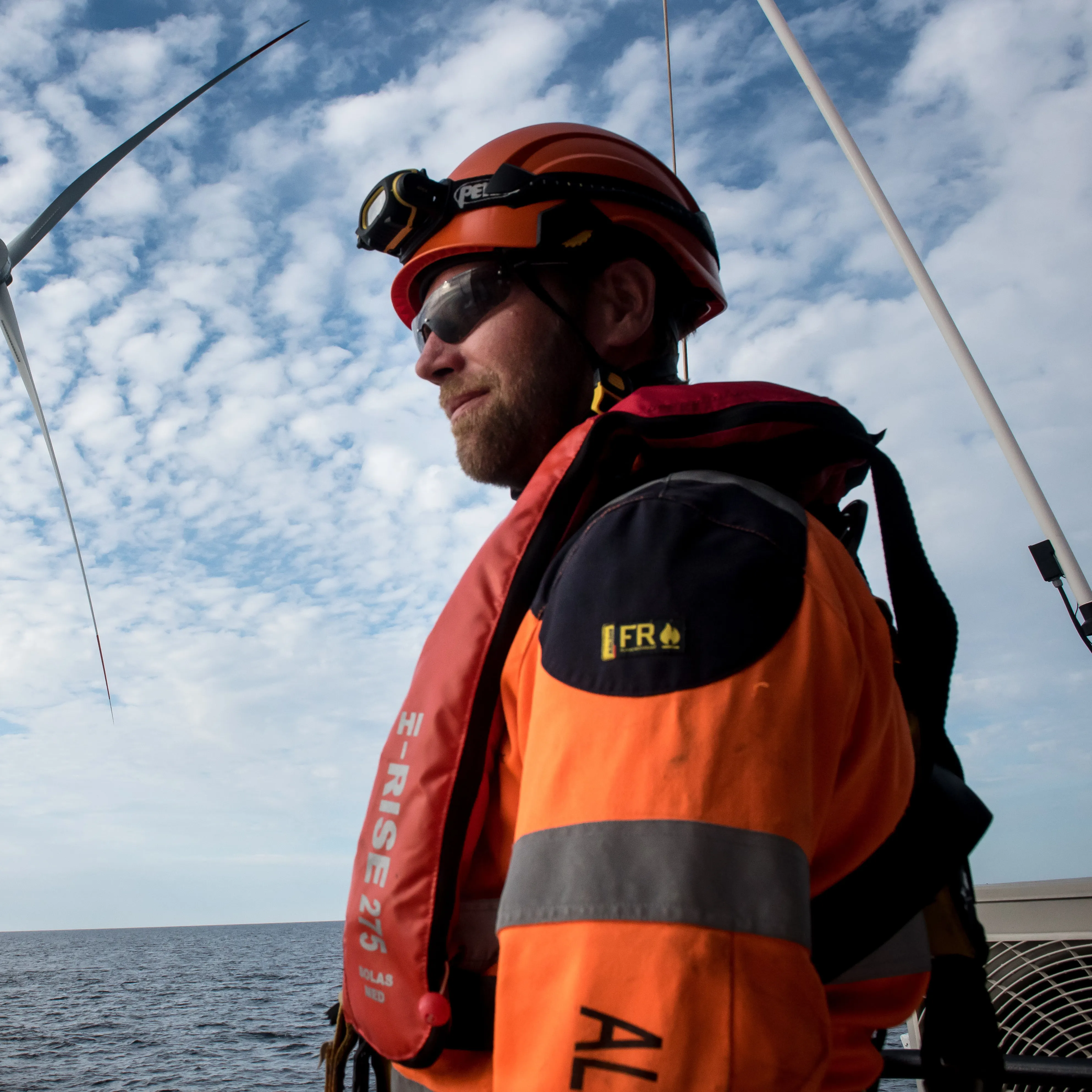
Wind power is a low-carbon and plentiful source of energy that will never run out. It is an important part of Australia's energy transition as it can provide a significant source of clean, renewable energy, helping to reduce greenhouse gas emissions and combat climate change.
Offshore wind farms generally have higher energy generation capacity than onshore wind. This is primarily due to stronger and more consistent wind speeds at sea, meaning they can generate more energy consistently throughout the day, and during times of peak demand. This helps with energy security through diversification of supply with other renewable sources such as onshore wind and solar power, providing stable energy supply and enhancing the overall resilience of the energy grid.
Offshore wind energy involves generating electricity from wind turbines in the ocean, which is then transmitted to the shore via cables under the seabed. This technology is not new. Offshore wind energy has been used around the world since 1991 and increases globally year on year. As of 2025, there is already 83 GW of offshore wind operating worldwide with a further 48GW currently under construction worldwide.


Clean and low carbon energy source

Wind is renewable so it will never run out

Wind farms are a large scale power source

Local communities can benefit from jobs, opportunities for contractors and community support
Learn More About Wind Power
Bunbury Offshore Wind Project
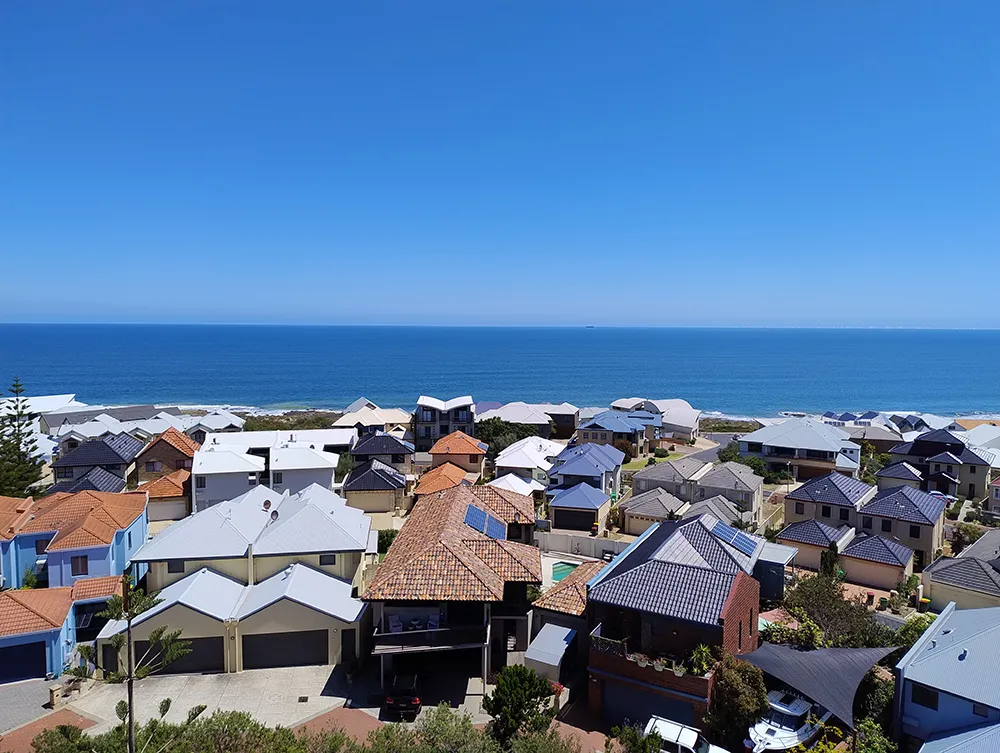
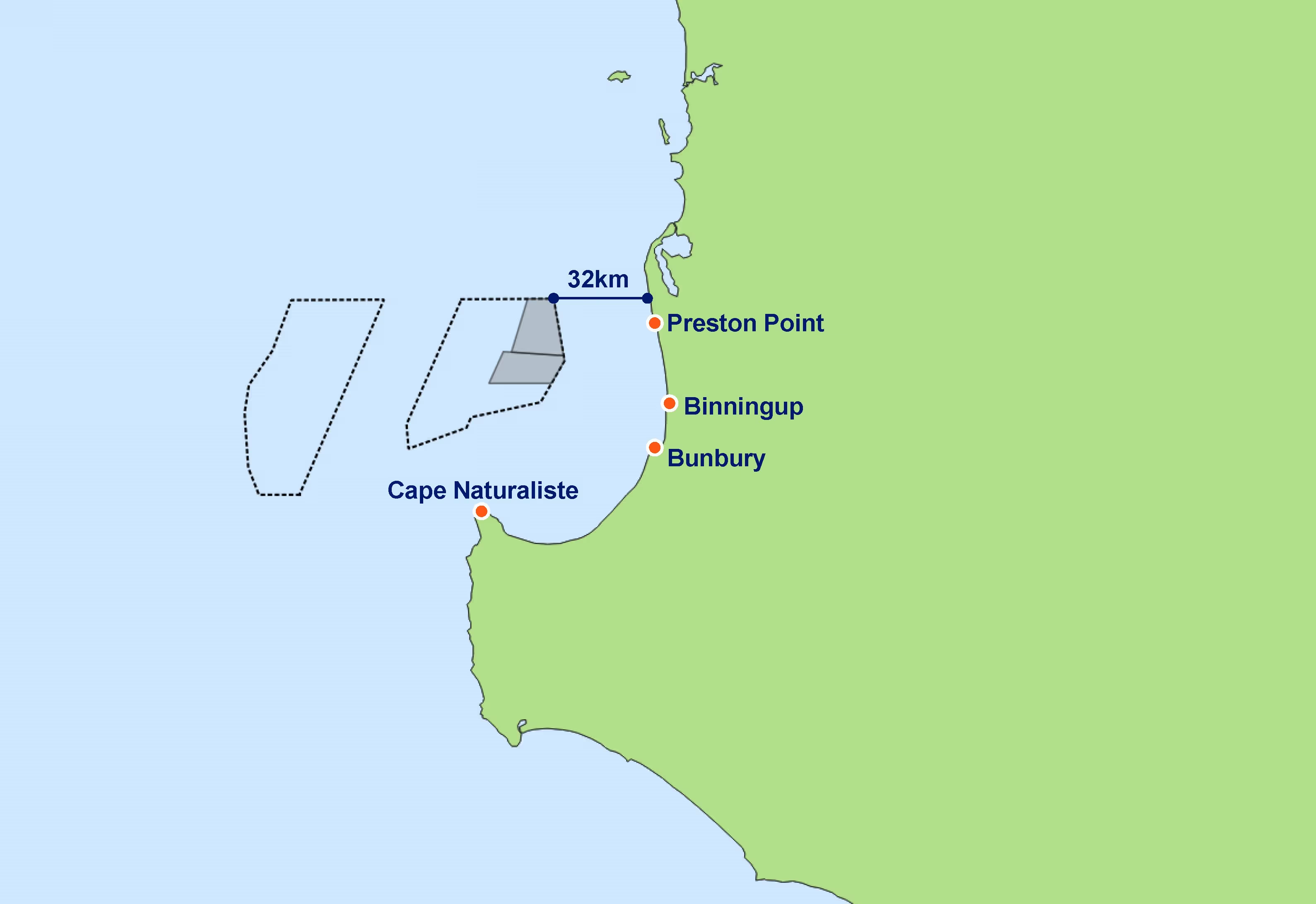
The Bunbury Offshore Wind Project is a proposed 1,500 MW offshore wind project being developed by EDF power solutions Australia in the Indian Ocean off the Bunbury region. The project is over 30km from shore and within the Bunbury Declared Area, one of six Declared Areas around Australia. When fully developed, the project has the potential to provide clean energy to approximately 1.1 million households.
The project's Feasibility Licences under the Offshore Electricity Infrastructure (OEI) Act was granted in 2026.
Project Area
The Bunbury Offshore Wind Projects Feasibility Licence areas total 526km2. This area will contain all of the project's wind turbines and offshore substations; however, the components of the wind farm will only take up a small percentage of this total area. The Bunbury region in WA is one of six priority areas identified for offshore wind development in Australian Commonwealth waters by the Commonwealth Government.
Many factors were considered when identifying regions that have potential for offshore wind electricity generation. The south west of WA is well suited for offshore wind due to its strong, consistent winds, proximity to areas of high electricity demand, existing connections to the grid, and access to critical infrastructure such as the Port of Bunbury.
The selection of the area also considered visual impact, shipping channels, defence considerations, fishing activities and environmental factors.
Site Investigations
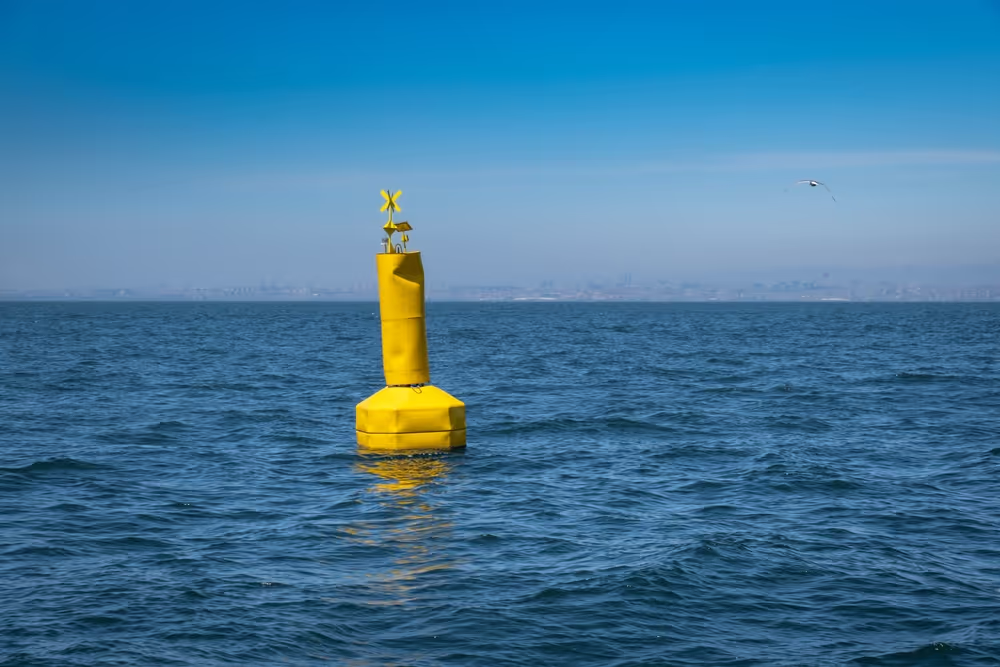
Wind and metocean (wave and current) data are an essential part of defining the site conditions. An on-site wind measurement using floating LiDAR and wave buoys will help estimate the energy production and support the engineering design. Wind and metocean surveys will be the first step in the site investigations, lasting up to two years.
Geoscience investigations, comprising of geophysical and geotechnical surveys, are used to better understand the geology, seabed sediments, and seabed conditions of the area. Geophysical surveys map the seafloor and the geology beneath it, while geotechnical investigations take small samples of seabed material for testing.
Baseline environmental surveys are essential to understand and mitigate potential environmental impacts and define monitoring throughout the project lifecycle. Surveys will help to determine the ecological significance for various species, their diversity, abundance, and seasonality. In addition, the surveys will help identify any habitat features that may attract species in greater numbers, and provide a reliable baseline to help understand the background noise level.
Prior to commencing any site investigations, we must obtain the necessary environmental and regulatory approvals. This includes developing a management plan outlining how we will safely undertake and mitigate impacts and risks of the site investigations.
Technology
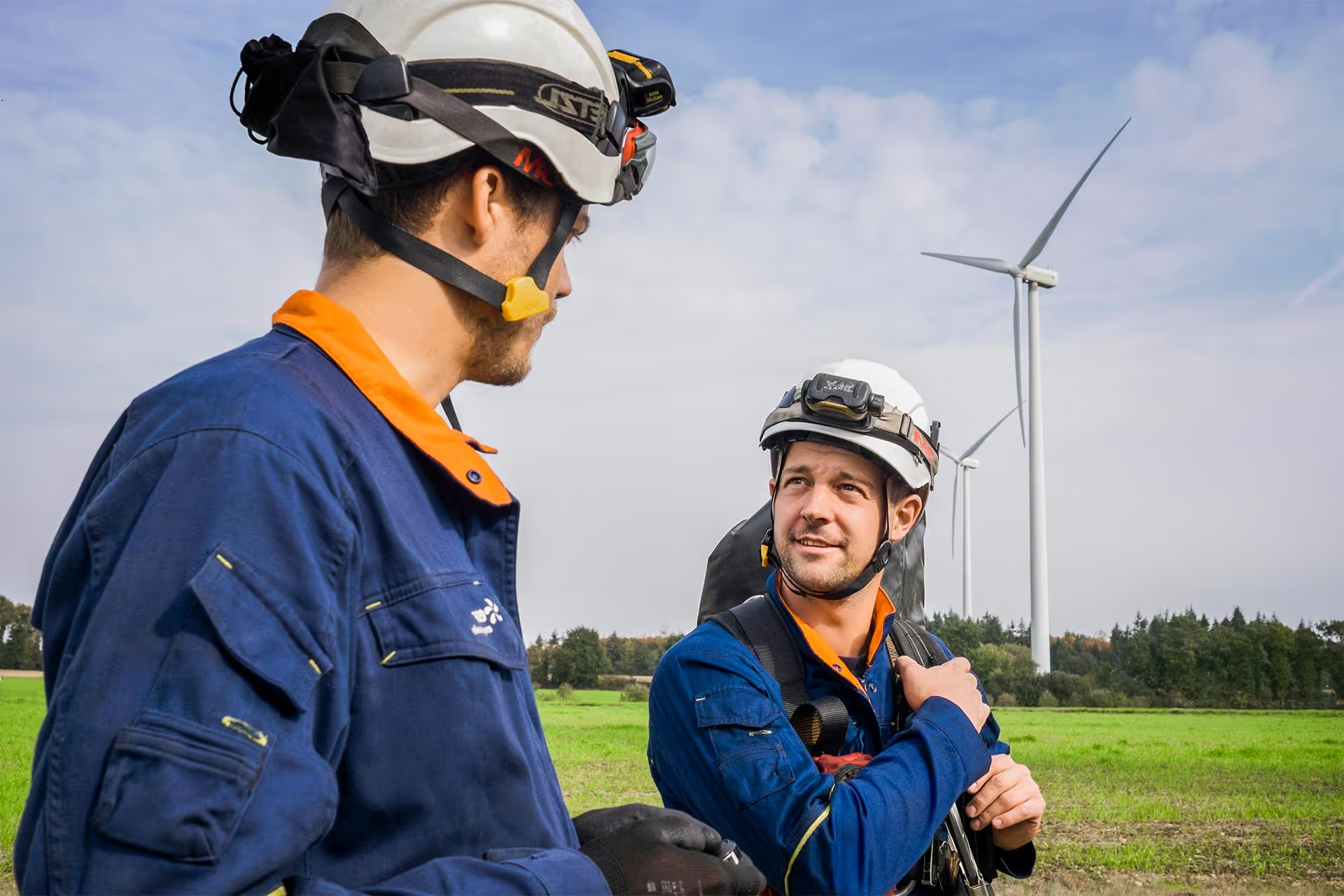
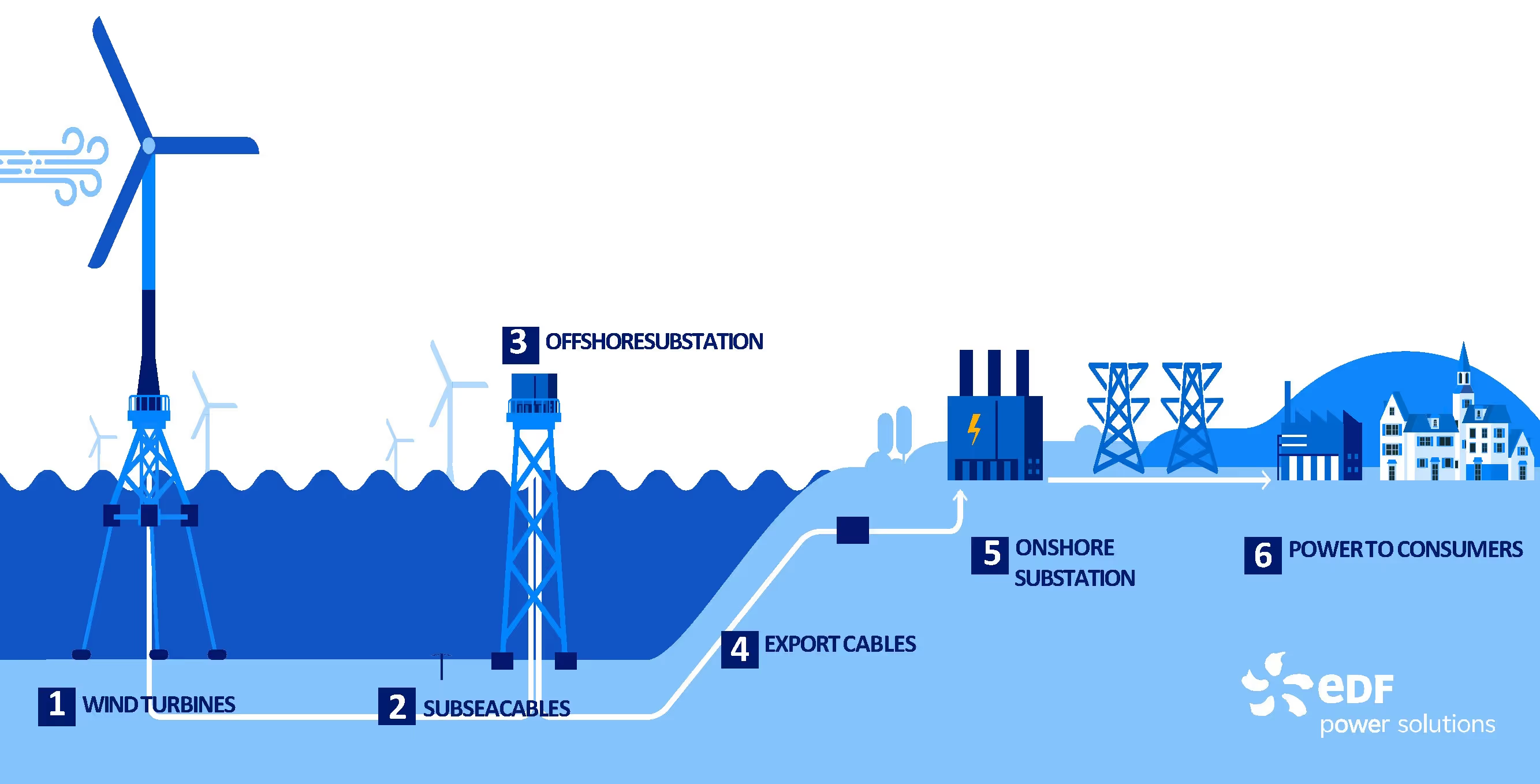
The project is planned to provide up to 1.5 GW of renewable energy to the South West Interconnector System once in production, and is proposed to comprise of:
- Fixed foundation wind turbine generators (or turbines)
- Inter-array cables that connect individual turbines and the offshore substation together
- Offshore substations that provide connection point for the inter-array cables and steps up the voltage to send the power generated through export cables to the onshore connection point
- High-voltage export cables that transfer the power from the offshore substation to the shore
- The export cables will cross the coastline underground to an onshore substation and then a Western Power designated grid connection point.
The Next Steps
The feasibility licence grant is the first step in the process.
Site investigations
Site investigations will be undertaken to provide information on the nature and shape of the seabed, seabed geology, wind resource, wave and tide conditions and physical, biological and cultural heritage characteristics of the environment.

Community engagement
We are deeply committed to working with local communities and stakeholders to ensure the project maximises opportunities and benefits for the South West region and the broader Australian community and economy.
We will be seeking information from stakeholders about offshore operations, including key sites or locations, vessels and gear types used to help us understand potential impacts during surveys and future project development.

Consents and Approvals
Prior to commencing any site investigations we must obtain the necessary environmental and regulatory approvals. State and Federal approvals will be sought before surveys commence.
Once the marine survey programme is approved, we’ll provide regular notifications to mariners in relation to our proposed survey locations and times.
Project Timeline
The project is in the feasibility stage. This involves investigating wind, ocean and ground conditions as well as environmental constraints. This stage of the project also includes early engagement with stakeholders and the local community.
2024
Zone Declaration
The Federal Minister for Climate Change and Energy declared an area in the Indian Ocean off the Bunbury Region as suitable for offshore wind in September 2024.
2024 - 2026
Pre-Feasibility
The Bunbury offshore wind project received its feasibility licence.
2026 - 2032
Design and approvals
Detailed environmental assessments and site investigations will begin. The project will engage closely with stakeholders and the community, including identifying opportunities for local businesses. Environmental and other approvals will be required prior to moving into the construction phase.
2030s
Construction
A commercial licence is required for the project to move into the construction phase. Only when the project is proven to be environmentally, technically and commercially viable can construction proceed. Fabrication of components will be undertaken prior to any offshore activities taking place. Of the construction phase, only 2 to 3 years is expected to take place offshore.
30+ years
Commercial operations
Wind turbines and associated infrastructure in operation, generating up to 1.5 GW of sustainable electricity.
2070s
Decommissioning
This process includes dismantling the turbines, removing cables and foundations, and remediating the site. We are responsible for all costs associated with decommissioning and financial securities will be required.