Bunbury Offshore Wind

Environment & Approvals
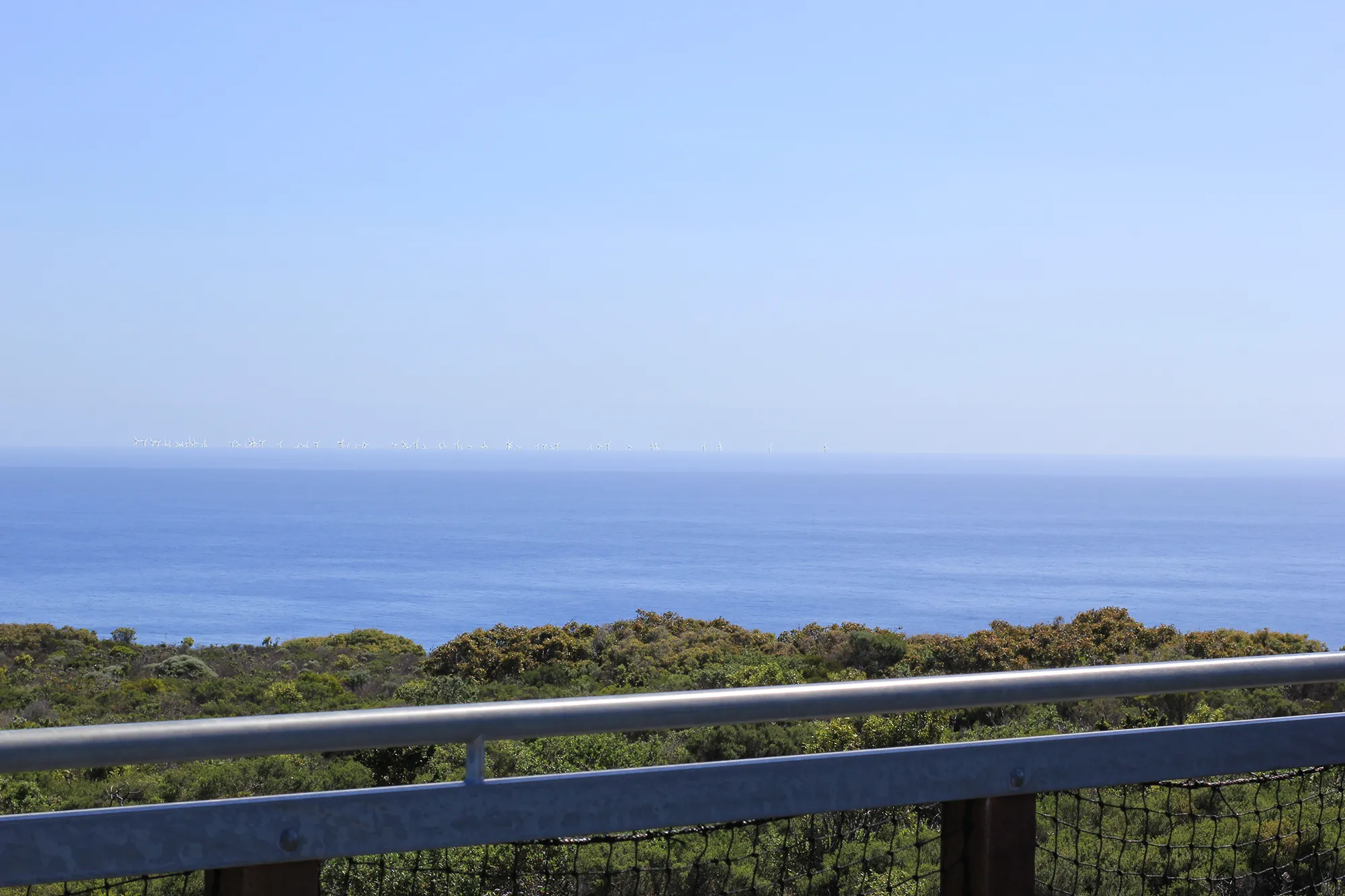
View of ocean with offshore wind turbines on the horizon, green shrubbery in foreground behind a metal railing.
Environment

Environmental Protection

Protecting the environment throughout the project lifecycle is vitally important. Over the next few years, the Bunbury Project will be carrying out comprehensive studies and assessment of the environment in our project area.

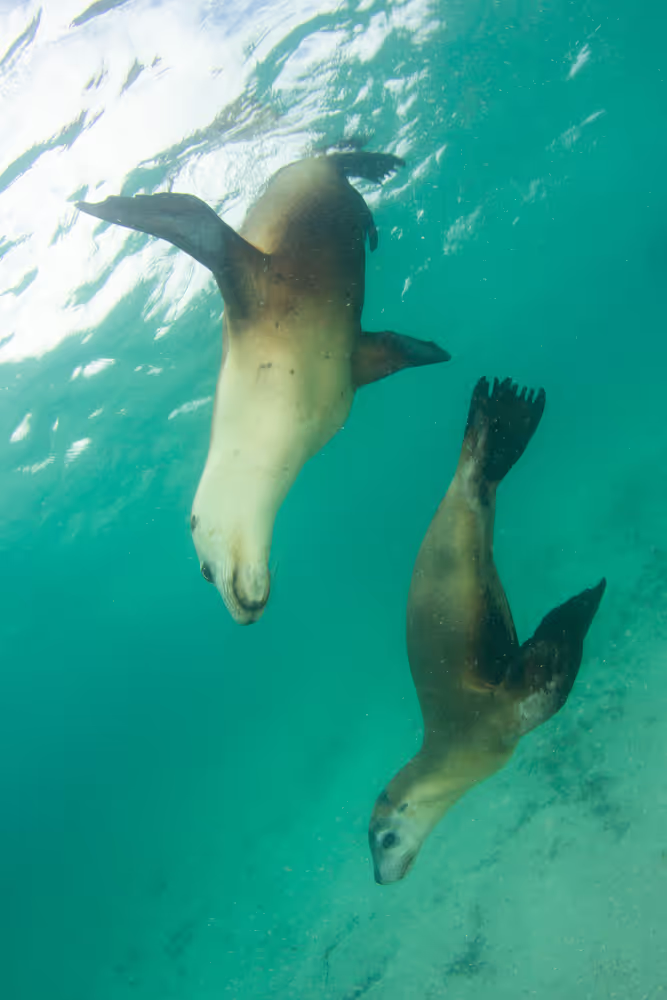
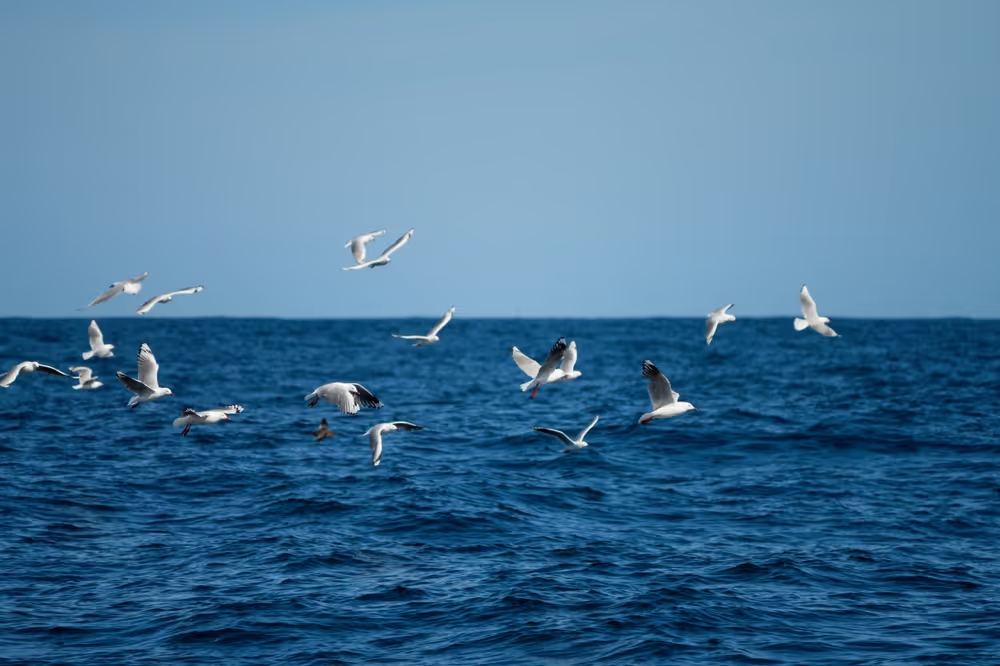
Using a range of scientific methods, we will study local shorebirds, seabirds, marine mammals, benthic habitats, fish and fishing activity, cultural features, among other assessments. These studies will contribute to a broad and detailed assessment to minimise impacts to the environment, which will guide the windfarm design to ensure stringent regulatory requirements are met.
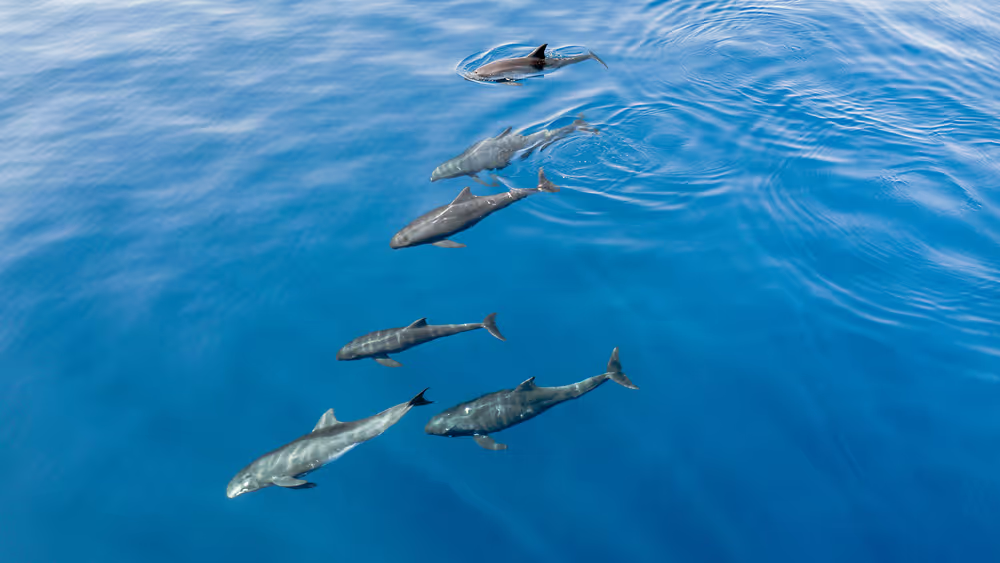
Seven dolphins swimming just below the clear blue ocean surface in a loose group.
Two sea lions swimming underwater in clear blue-green ocean water.
Seagulls flying low over deep blue ocean waves under a clear sky.
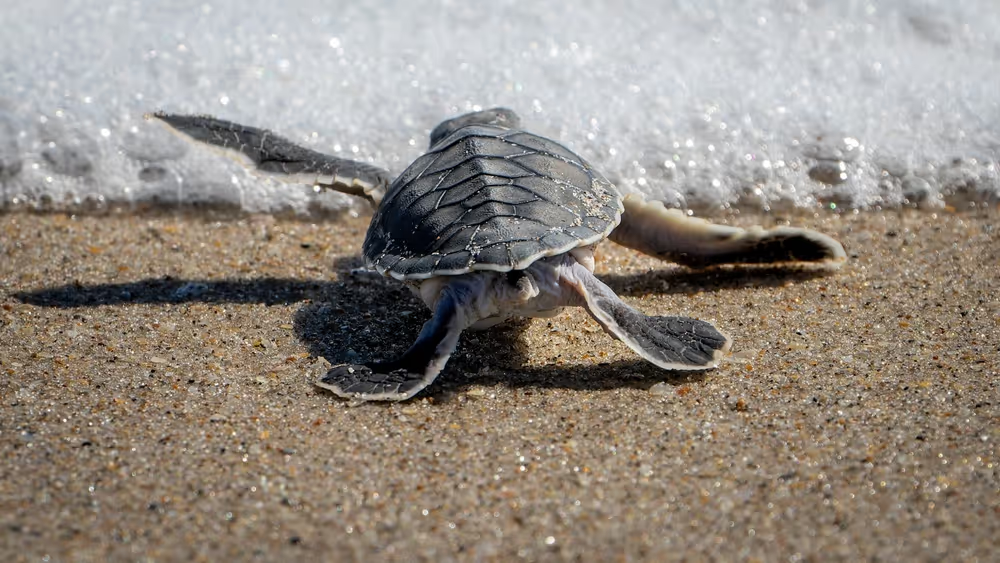
Baby sea turtle crawling on sandy beach towards ocean waves.

Our goal is to minimise impacts to the environment, which will guide the windfarm design to ensure stringent regulatory requirements are met.
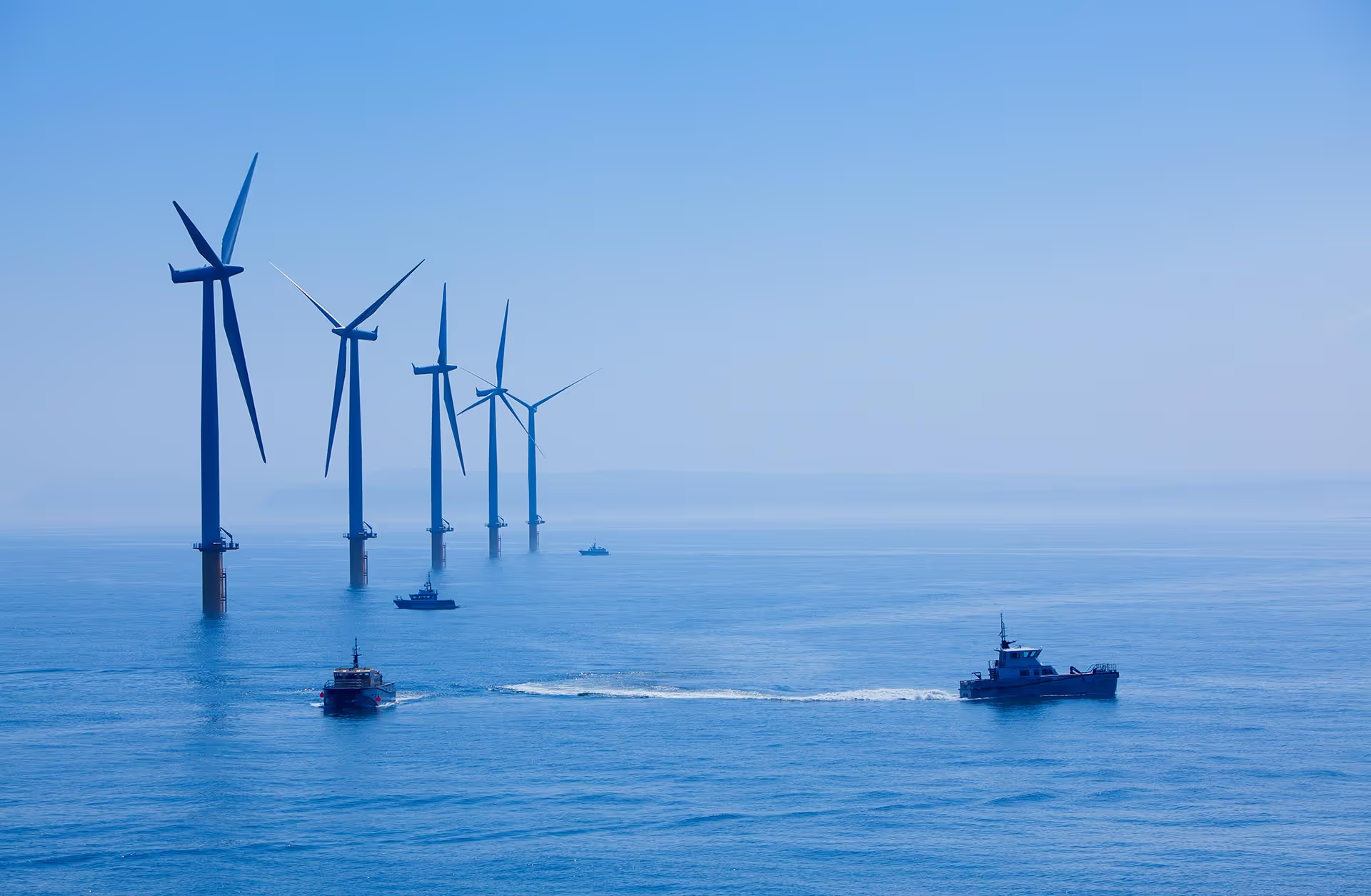
Row of offshore wind turbines in the sea with three boats moving between them under a clear blue sky.
Approvals

A Careful & Thorough Approach

The project will go through a thorough environmental assessment and approvals process before the offshore wind development can be constructed.

With the infrastructure located in Commonwealth and Western Australian jurisdictions, the project will be referred to both Commonwealth and State environmental authorities for assessment and approval.

It is likely an Environmental Impact Statement (EIS) will be required under the Commonwealth EPBC Act and a Public Environmental Review (PER) under the Environmental Protection Act 1986 (WA) amongst many other regulations.

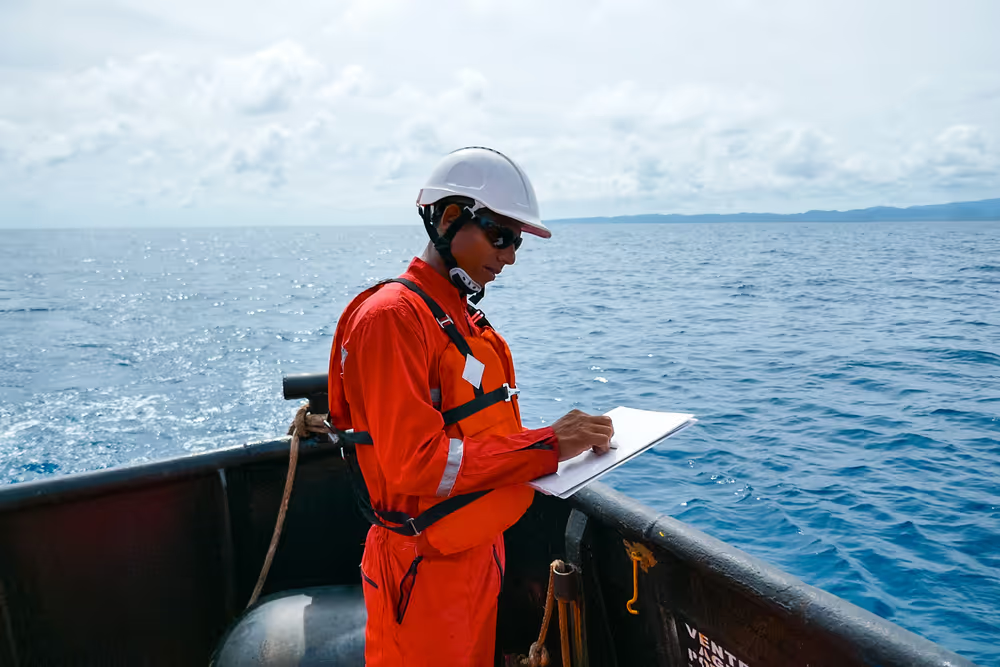
Surveyor in an orange safety suit and white helmet writing on a clipboard aboard a boat on the ocean.
Yellow navigation buoy floating in the ocean with a seagull flying nearby under clear blue sky.

Site Investigations

Wind and metocean (wave and current) data are an essential part of defining the site conditions. An on-site wind measurement using floating LiDAR and wave buoys will help estimate the energy production and support the engineering design.

Geoscience investigations, comprising of geophysical and geotechnical surveys, are used to better understand the geology, seabed sediments, and seabed conditions of the area. Geophysical surveys map the seafloor and the geology beneath it, while geotechnical investigations take small samples of seabed material for testing.

Baseline environmental surveys are essential to understand and mitigate potential environmental impacts and define monitoring throughout the project lifecycle. Surveys will help to determine the ecological significance for various species, their diversity, abundance, and seasonality. In addition, the surveys will help identify any habitat features that may attract species in greater numbers, and provide a reliable baseline to help understand the background noise level.

Prior to commencing any site investigations, we must obtain the necessary environmental and regulatory approvals. This includes developing a management plan outlining how we will safely undertake and mitigate impacts and risks of the site investigations.

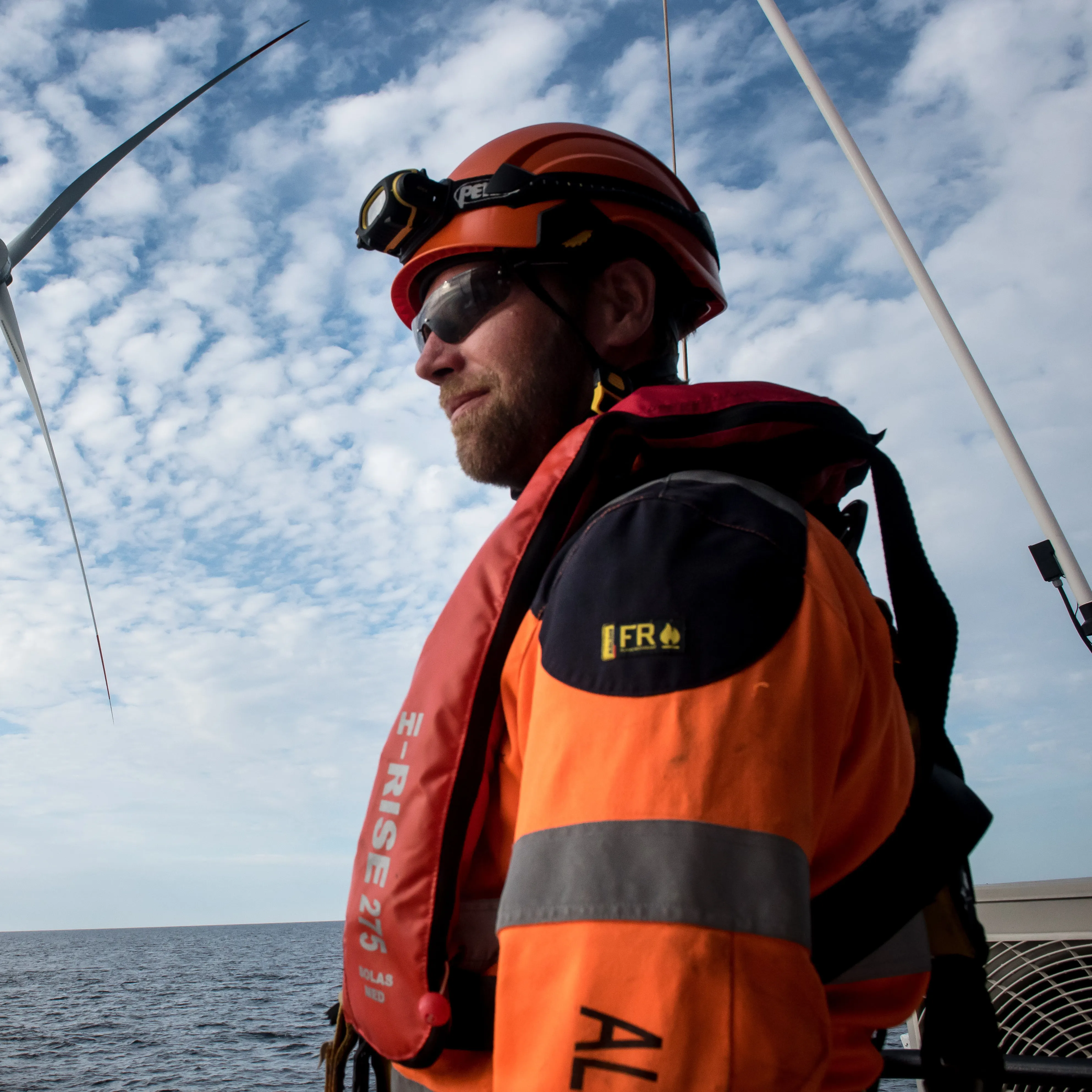
Worker in orange safety gear and helmet with headlamp, standing near offshore wind turbines over the sea.
Contact Us

Get In Touch With Us

We'd love to hear from you. Please reach out to our team to learn more about this project or submit an enquiry.